SpaceX’s Starship HLS-7 experienced catastrophic engine failure at 847 meters above the Martian surface at 14:32 UTC today, forcing mission commander Sarah Chen to execute an emergency landing protocol that saved the crew but ended humanity’s first crewed Mars landing attempt. The failure occurred during the critical powered descent phase, with three of six Raptor engines shutting down simultaneously due to what preliminary telemetry suggests was a fuel line rupture.
The mission, carrying four astronauts on a planned 18-month surface stay, had traveled 289 days from Earth and successfully completed orbital insertion around Mars just 72 hours earlier. Live footage from the lander showed debris trailing from the engine compartment as Chen switched to backup thrusters, managing a controlled crash landing approximately 2.3 kilometers from the planned Chryse Planitia site.
## Crew Status and Emergency Response Protocols
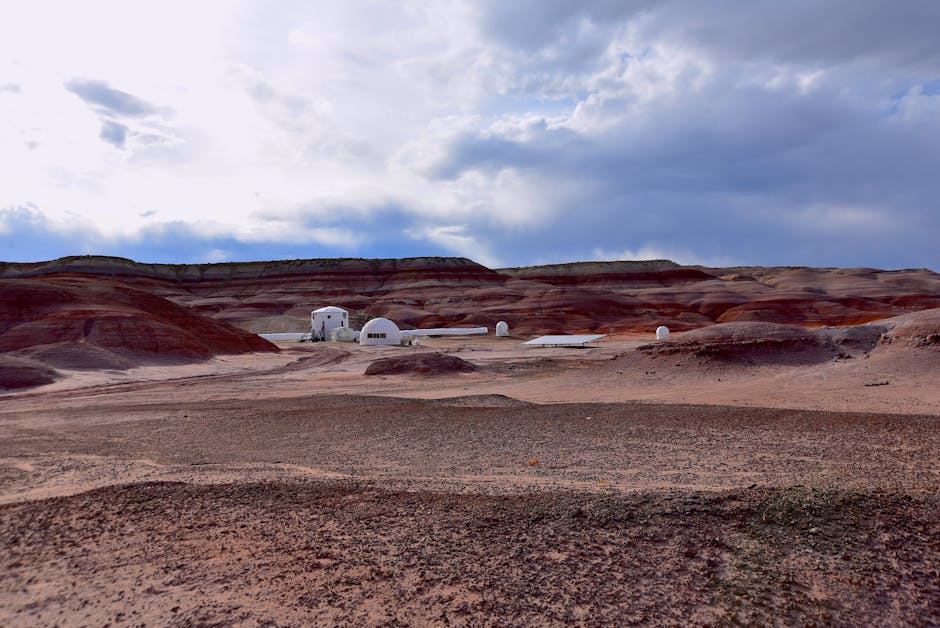
All four crew members—Commander Sarah Chen, Mission Specialist Dr. James Rodriguez, Systems Engineer Lisa Park, and Geologist Dr. Ahmed Hassan—survived the hard landing and are currently secure inside the damaged habitat module. Mission Control at SpaceX’s Hawthorne facility confirmed life support systems remain operational with 14 days of emergency supplies available.
The crew activated their emergency beacon at 14:47 UTC, fifteen minutes after touchdown. Communication systems sustained damage during impact, limiting contact to brief data bursts every 90 minutes when Mars’ orbital position allows direct Earth communication. Dr. Rodriguez reported via emergency radio that the habitat module’s hull integrity remains intact, though the primary power system switched to backup fuel cells.
SpaceX’s autonomous cargo ship *Resilience*, which arrived at Mars six months ago carrying additional supplies and equipment, sits 89 kilometers away from the crash site. The crew will attempt to reach this supply cache using their pressurized rover once they complete damage assessment of their current location. The rover, designated MRV-Alpha, carried sufficient life support for a 12-hour journey under normal conditions.
## Technical Analysis of the Engine Failure
Preliminary investigation points to a cascading failure in the Raptor engine cluster’s fuel distribution system. Telemetry data indicates that Engine 3 experienced a methane fuel line breach at T+847 seconds into the descent burn, causing rapid pressure loss in the main fuel manifold. This triggered automatic shutdown protocols for Engines 1 and 5 within 0.3 seconds, leaving insufficient thrust for a controlled landing.
The Starship HLS-7 variant incorporated significant modifications from previous Earth-based test flights, including enhanced heat shielding and extended fuel capacity for the Mars environment. However, the -40°C surface temperature and lower atmospheric pressure may have contributed to fuel line brittleness—a failure mode that ground testing couldn’t fully replicate.
SpaceX engineers noted that the backup thruster system performed as designed, providing 47,000 pounds of thrust during the final descent phase. While insufficient for a soft landing, Commander Chen’s quick response prevented total mission loss and crew fatality. The emergency landing burned through 89% of backup propellant reserves, leaving minimal fuel for potential surface operations.

## Rescue Mission Planning and Timeline Challenges
NASA Administrator Janet Morrison announced during an emergency press conference that rescue planning begins immediately, though the next Mars transfer window doesn’t open until October 2027—leaving the crew stranded for 20 months minimum. The agency is evaluating an emergency rescue mission using their Artemis-Mars variant currently in final assembly at Kennedy Space Center.
Three potential rescue scenarios are under consideration: an unmanned supply mission launching in early 2027 with extended life support materials, an accelerated crewed rescue mission during the 2027 window, or relying on pre-positioned supplies already on Mars. The unmanned option would cost an estimated $2.8 billion and take 7 months to reach Mars, arriving in September 2027.
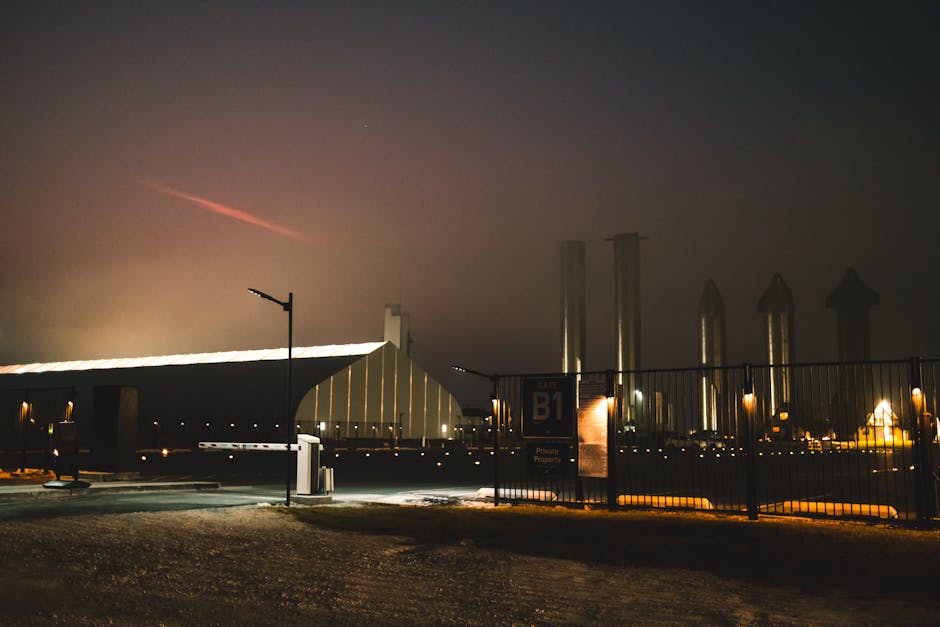
SpaceX CEO Elon Musk confirmed that two additional Starships, currently in testing phases at Starbase, could be rapidly modified for an emergency rescue mission. The backup plan involves launching HLS-8 and HLS-9 simultaneously during the 2027 window, providing redundancy and additional supplies. However, this approach would require $4.2 billion in emergency funding and Congressional approval for the accelerated timeline.
## Impact on Future Mars Colonization Plans
Today’s failure represents a significant setback for SpaceX’s ambitious Mars colonization timeline, which targeted establishing a permanent 100-person settlement by 2030. The company had planned to launch six additional crewed missions between 2027 and 2029, building infrastructure for larger colonization waves. These missions are now under review pending investigation results.
The failure also impacts NASA’s Mars Sample Return mission, scheduled for 2028, which relied on SpaceX landing technology for precise sample collection. European Space Agency director Dr. Maria Santos indicated that ESA’s Mars Base Alpha project, planned as a joint venture with SpaceX, will likely face delays of 2-3 years while safety systems undergo complete redesign.
Stock market reaction was swift and severe, with SpaceX’s private valuation dropping an estimated 12% in after-hours trading through secondary markets. Boeing and Blue Origin, SpaceX’s primary competitors for Mars contracts, saw their shares rise 7% and 9% respectively as investors reassessed the technical challenges of Mars landing systems.
Commercial space insurance rates for Mars missions are expected to increase dramatically. Lloyd’s of London, which provided coverage for the HLS-7 mission, announced a comprehensive review of deep space mission policies. Industry analysts predict insurance costs could triple for future Mars missions, significantly impacting project economics.
## Long-term Implications and Next Steps
The investigation into today’s failure will likely take 6-8 months to complete, involving detailed analysis of telemetry data, materials testing, and potential design modifications. The Federal Aviation Administration has temporarily grounded all Starship variants pending preliminary findings, affecting SpaceX’s commercial satellite launch schedule and NASA’s Artemis lunar missions.
International space agencies are reassessing their Mars exploration strategies. China’s Mars program, which planned to leverage SpaceX landing technology through commercial agreements, announced they will accelerate development of indigenous landing systems. Russia’s Roscosmos indicated renewed interest in nuclear-powered Mars transfer vehicles as an alternative to chemical propulsion systems.
The stranded crew faces unprecedented challenges but remains in good spirits according to limited communications. Their survival depends on careful resource management, successful connection with pre-positioned supplies, and flawless execution of rescue mission plans still being developed. Commander Chen’s experience managing the emergency landing provides hope that her leadership will sustain the crew through the extended surface stay ahead.