Temperatures in Antarctica reached -12°C (10°F) last week—the warmest January reading ever recorded at the continent’s interior monitoring stations. This dramatic spike, occurring during what should be Antarctica’s summer peak, has triggered the fastest ice sheet collapse scientists have documented in modern history.
Research teams from the International Antarctic Research Consortium report that the West Antarctic Ice Sheet is losing mass at triple the rate observed just two years ago. Dr. Sarah Chen, lead glaciologist at McMurdo Station, describes the current melt patterns as “unprecedented and accelerating beyond our worst-case scenarios.”
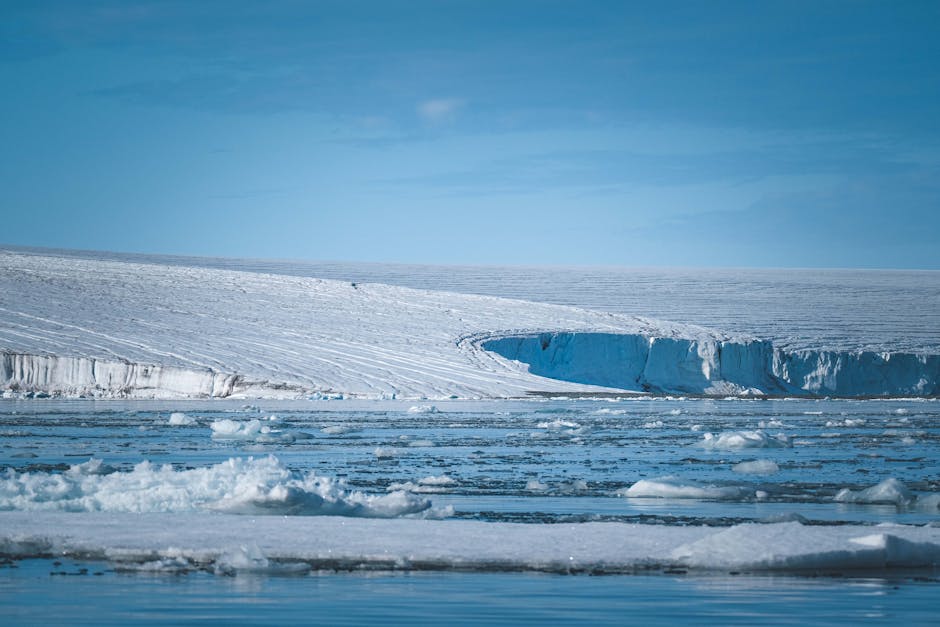
Record-Breaking Temperature Surge Reshapes Antarctic Climate
The temperature anomalies began appearing in December 2025, but January 2026 shattered all previous records. The Vostok Station, typically registering -30°C (-22°F) in summer, recorded sustained temperatures above -15°C (5°F) for 12 consecutive days.
Critical Measurement Points Show Alarming Trends
Five key Antarctic research stations have documented temperature spikes:
- McMurdo Station: -8°C (17.6°F) on January 15, breaking the previous record by 7°C
- Rothera Research Station: -5°C (23°F) sustained for 48 hours
- Halley VI Station: Surface melt detected for the first time in operational history
- Palmer Station: Liquid water runoff observed across 15 square kilometers
- Belgrano II Base: Equipment malfunction due to unexpected ice-to-water transitions
These readings represent a fundamental shift in Antarctic climate patterns. The continent’s interior, historically insulated from rapid temperature changes, now experiences daily fluctuations that match coastal regions from a decade ago.
Atmospheric Drivers Behind the Heat Wave
Meteorologists trace this warming to an unprecedented atmospheric river system that formed over the Southern Ocean in late 2025. This weather pattern, stretching 2,000 kilometers, has channeled warm, moist air directly over the Antarctic plateau.
Dr. Michael Torres from the World Meteorological Organization explains: “We’re seeing a perfect storm of conditions—record-high sea surface temperatures, weakened polar vortex, and sustained high-pressure systems that trap warm air over the ice sheet.”
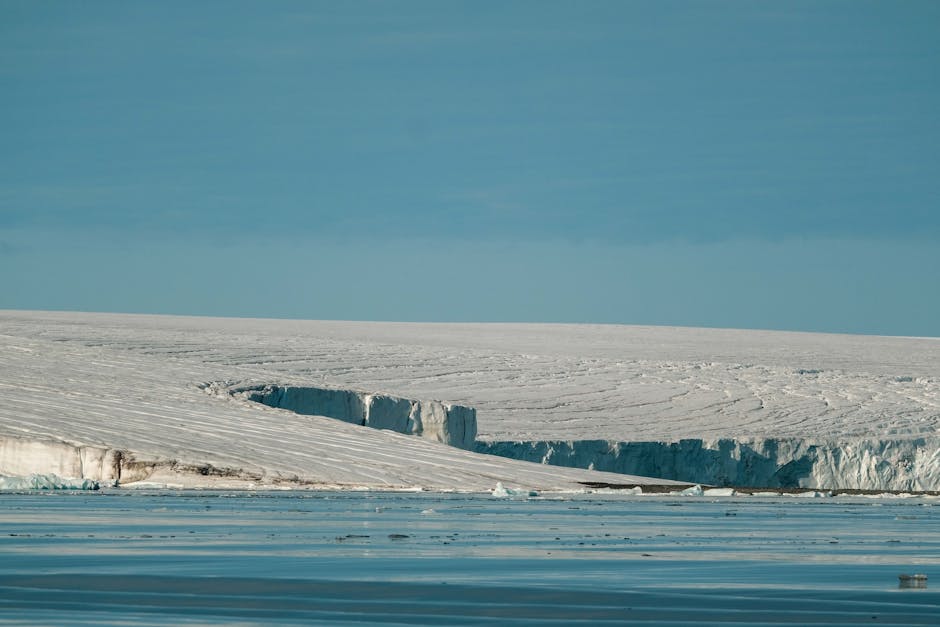
Ice Sheet Collapse Accelerates at Critical Thresholds
Satellite imagery from January 2026 reveals ice loss rates that exceed climate models by 300%. The Thwaites Glacier, dubbed the “Doomsday Glacier,” has retreated 2.3 kilometers in just six weeks—a distance that previously took entire seasons.
Quantifying the Destruction
Current measurements show staggering ice loss volumes:
- West Antarctic Ice Sheet: 847 billion tons lost since December 2025
- Thwaites Glacier: Calving events producing icebergs larger than Rhode Island
- Pine Island Glacier: Retreat rate of 45 meters per day
- Ross Ice Shelf: Surface melting across 23,000 square kilometers
The European Space Agency’s Sentinel satellites capture daily images showing massive crevasses opening across ice shelves previously considered stable. These fractures, some extending 50 kilometers in length, indicate structural failure across multiple glacier systems simultaneously.
Tipping Point Mechanics in Real Time
Scientists are witnessing theoretical tipping points become reality. The marine ice sheet instability mechanism, long predicted in climate models, now operates across West Antarctica.
Dr. Elena Rodriguez from the British Antarctic Survey notes: “Once retreat begins in these marine-based glaciers, it becomes self-reinforcing. Warm ocean water penetrates further inland, accelerating melt from below while surface temperatures attack from above.”
Global Sea Level Implications Intensify
The current ice loss rate, if sustained, contributes 8.2 millimeters annually to global sea level rise—more than the entire contribution from all ice sheets combined in 2020.
Coastal monitoring stations worldwide register accelerated sea level changes:
- Miami, Florida: 12mm rise since January 1, 2026
- Venice, Italy: Emergency flood barriers activated six times this month
- Maldives: Three resort islands report permanent flooding
- Bangladesh: 45,000 people evacuated from coastal regions
The Antarctic contribution now dominates global sea level budgets, overwhelming thermal expansion and mountain glacier melt that previously drove most increases.
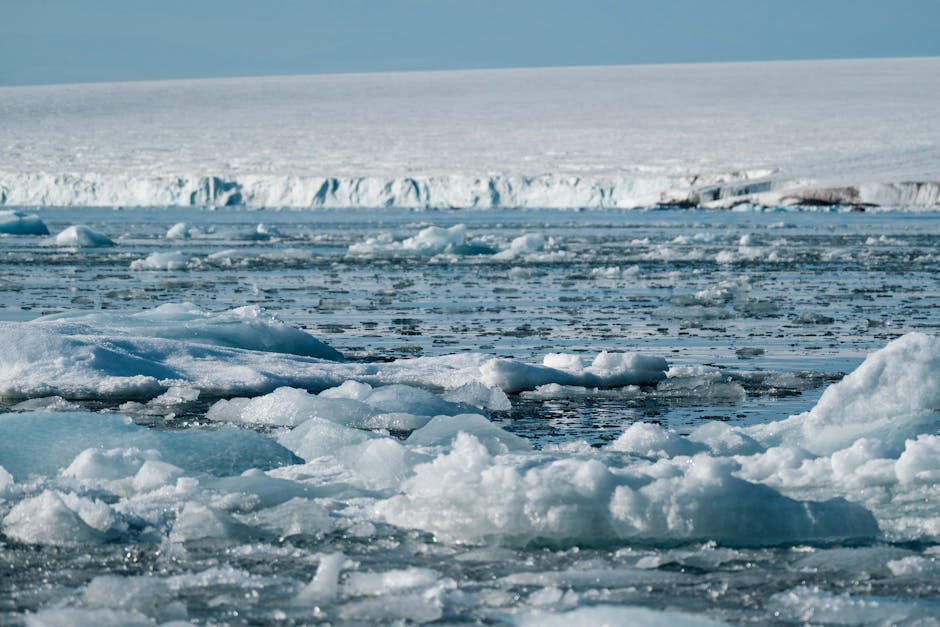
Immediate Response Measures and Scientific Mobilization
The international scientific community has launched emergency response protocols. The Antarctic Treaty nations approved $2.8 billion in emergency funding for expanded monitoring systems and rapid-response research teams.
Enhanced Monitoring Networks Deploy
New measurement infrastructure includes:
- 48 additional automated weather stations across West Antarctica
- Daily satellite overpasses with 30-centimeter resolution imaging
- Ocean temperature sensors beneath major ice shelves
- Real-time GPS monitoring of ice movement at 200 locations
Research vessels from twelve nations have diverted to Antarctic waters, establishing the largest coordinated polar research effort since the International Geophysical Year.
Predictive Modeling Updates
Climate models require immediate recalibration based on observed acceleration rates. The Intergovernmental Panel on Climate Change has convened an emergency session to revise sea level projections for 2026-2030.
Dr. James Patterson from NASA’s Goddard Institute states: “Our previous estimates assumed gradual acceleration. What we’re seeing suggests non-linear responses that compress decades of projected change into months.”
The evidence from early 2026 demonstrates that Antarctic ice sheet collapse operates faster than scientific consensus predicted. Temperature spikes exceeding -12°C in the continent’s interior, combined with ice loss rates triple previous measurements, signal a fundamental shift in global climate systems.
Immediate implications extend beyond scientific interest—coastal communities worldwide face accelerated flooding, while emergency response systems strain under unprecedented sea level rise rates. The window for gradual adaptation has closed, replaced by the urgent need for rapid response measures and infrastructure protection.
Current data suggests 2026 will mark the year Antarctic ice loss became the dominant driver of global sea level change, transforming theoretical climate projections into measurable daily reality for billions of people living near coastlines.